




Other CT Humanities Programs

Creative Commons Licensing


Now Viewing:
Arts
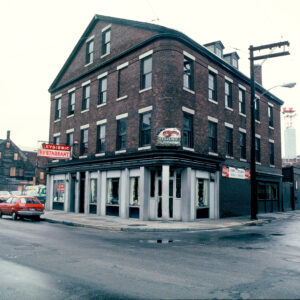
New London’s Hygienic Art Building
Located at the corner of Bank and Golden Streets, the Hygienic structure is an integral part of New London’s architectural history.
Read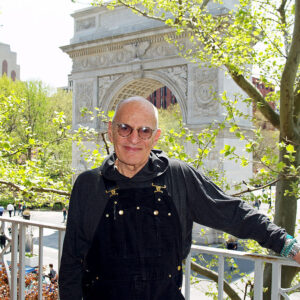
Larry Kramer: Gay Rights and HIV/AIDS Activism
Larry Kramer’s impactful literature and advocacy endeavors altered negative national perceptions to significantly improve AIDS health policies.
Read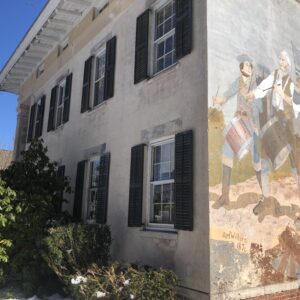
The Orrin Freeman House and the Spirit of ‘76
How did Higganum’s Orrin Freeman House end up with a large American Revolution-themed mural, the Spirit of ’76, on its side?
Read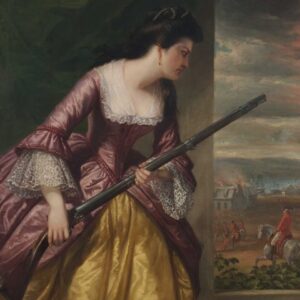
Abigail Hinman: Heroine of the American Revolution or Legend?
Allegedly defending her house during the American Revolution in 1781, New London resident Abigail Hinman made a name for herself as a patriot legend.
Read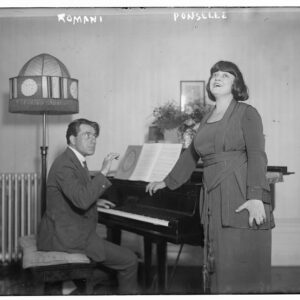
Rosa Ponselle: Meriden’s Famous Musical Daughter
Rosa Ponselle etched her name in history as the first American-born and American-trained singer to star with the Metropolitan Opera Company.
Read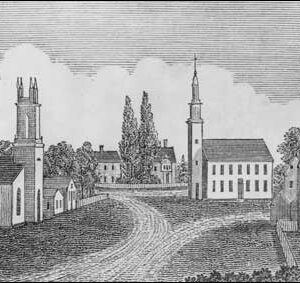
John Warner Barber’s Engravings Chronicle Connecticut History
John Warner Barber chronicled 19th-century Connecticut history through his historical writing and hundreds of engravings—many of which still exist today.
Read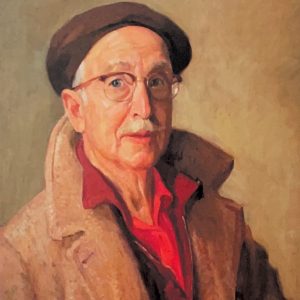
George Laurence Nelson: Artist of Kent’s Seven Hearths
In addition to his artistic pursuits, George Laurence Nelson lived in Kent, Connecticut, for over half a century and restored the historic Seven Hearths house.
Read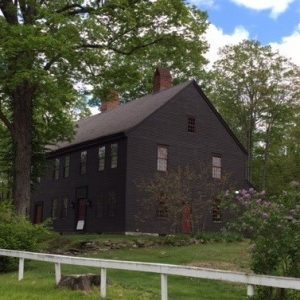
The Welcoming Warmth of Kent’s Seven Hearths
For over 272 years, Kent’s Seven Hearths has lived many lives—from trading post to school to artist’s home to historical society.
Read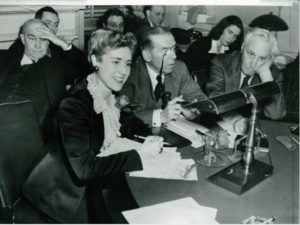
Clare Boothe Luce Changed Perceptions about Women in Business and Politics
Clare Boothe Luce became the first woman to represent Connecticut in the US House of Representatives and later became an ambassador to Italy.
Read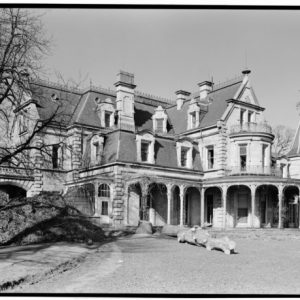
Lockwood-Mathews Mansion Captures the Gilded Age in Norwalk
The Lockwood-Mathews Mansion provides a glimpse into the opulence of the Gilded Age when railroad tycoons built summer homes along the New England shoreline.
Read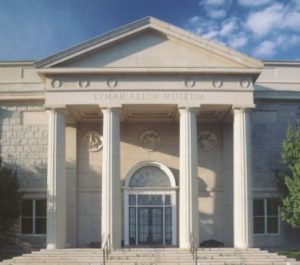
The Lyman Allyn Opens – Today in History: March 2
On March 2, 1932, the Lyman Allyn Art Museum, founded by Harriet Upson Allyn in New London, had its grand opening.
Read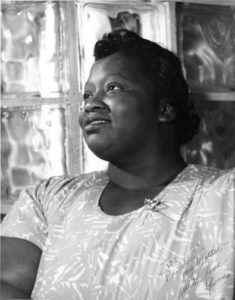
Actress Gwen Reed Best Remembered for Dedication to Childhood Literacy
Gwen Reed was an actress and educational advocate who grew up in Hartford in the early 20th century.
Read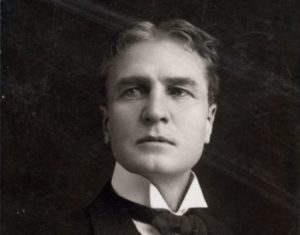
William Gillette’s Last Performance – Today in History: February 27
On February 27, 1936, William Gillette made his last appearance on any Connecticut stage at the Bushnell Memorial auditorium in Hartford.
Read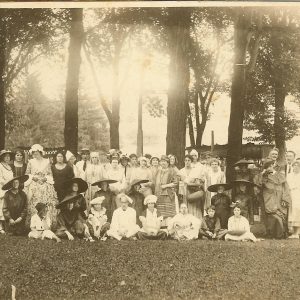
Discovering the Mysterious Identity of the “Kent Limner”
It took over a century to solve the mystery of Ammi Phillips’ identity—one of the most prolific folk portraitists in 19th century America.
Read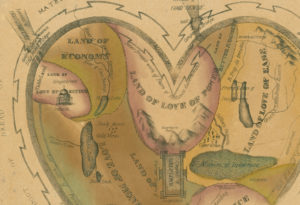
The Open and Fortified Country of the Human Heart: A Victorian Lady’s View of Love
A pair of 19th-century prints provides a virtual road map to the human heart, illustrating contemporary male and female attitudes towards courtship and love.
Read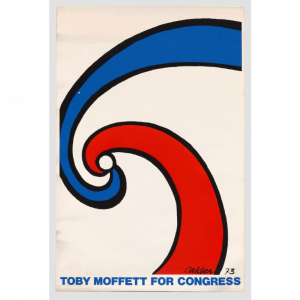
Alexander Calder and Making Art Political
In addition to his famous works of art, Alexander Calder lent his talents and reputation to support political campaigns in the 1960s and 70s.
Read
Charles Ethan Porter, Portrait of a 19th-Century African American Painter
Charles Ethan Porter was a prolific still life painter in the 19th and early 20th century.
Read
Music Vale Seminary in Salem Credited as Being First in US
In the mid-19th century, Orramel Whittlesey founded a music conservatory in Salem, Connecticut.
Read
Timothy Dwight Dies – Today in History: January 11
On January 11, 1817, Timothy Dwight (theologian, educator, poet, and eighth president of Yale) died in New Haven, Connecticut.
Read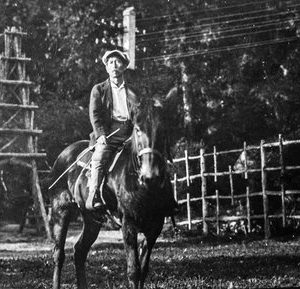
Yukitaka Osaki and Gillette Castle: One of Hadlyme’s First Japanese Immigrants
For over four decades, Japanese-born Yukitaka Osaki worked for Gillette, becoming a recognizable neighbor in the Hadlyme community.
Read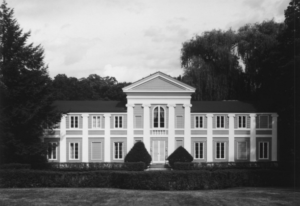
Hartford’s “Façade House”: The Unique Home of Chick Austin
A. Everett “Chick” Austin Jr. and his wife, Helen, designed one of the most unique homes of the 20th century in Hartford.
Read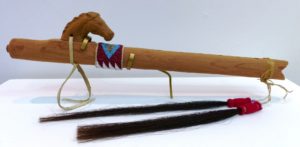
Connecticut Native American Arts
The remarkable resilience of Connecticut’s native cultures can be seen in the tribes’ social networks, political governance, commitment to educating others about native history, and their ongoing work to sustain their traditions.
Read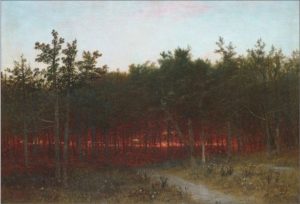
John Frederick Kensett Illuminates the 19th-Century Landscape
John Frederick Kensett was a landscape painter now identified with Luminism—a style of painting utilizing delicate brushstrokes to capture subtle natural light.
Read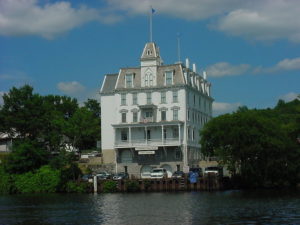
Goodspeed Opera House Opens – Today in History: October 24
On October 24, 1877, the Goodspeed Opera House on the Connecticut River in East Haddam officially opened to the public.
Read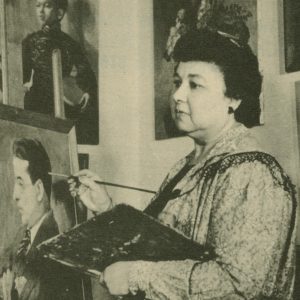
Laura Wheeler Waring: Renowned African American Portrait Artist and Educator
Born in Hartford, Laura Wheeler Waring was an eminent portrait artist of prominent African Americans of the Harlem Renaissance.
Read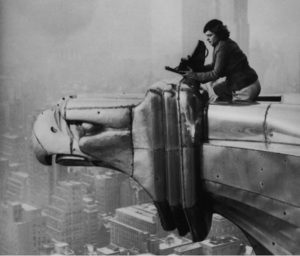
A Metal Giant in Wilton
Kenneth Lynch was an accomplished blacksmith who was a longtime resident of Wilton and created memorable pieces of metalwork found in the Northeast.
Read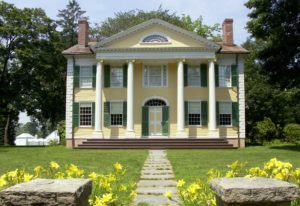
Florence Griswold’s Home: A Story of Perseverance and Community
The Florence Griswold House, once a private residence, also served as a finishing school for girls in the 19th century and the center of the Lyme Art Colony.
Read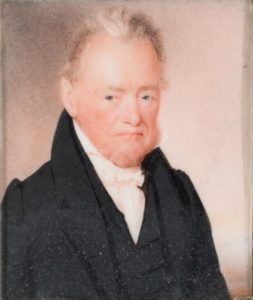
Anson Dickinson: Milton’s Painter of Portrait Miniatures
In the 1800s, watercolor portraits painted on small pieces of ivory were in vogue and miniaturists like Dickinson found a ready market for their craft.
Read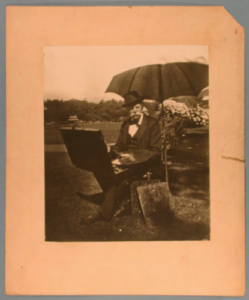
A Photographer with a Painter’s Eye: The Story of Nelson Augustus Moore
Kensington-born Moore took “on the spot” photographs that documented life and events during the 1850s and 1860s.
Read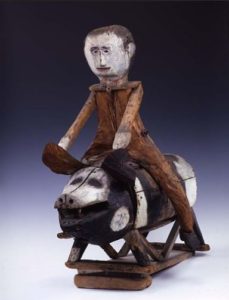
Killingworth’s Automated Attraction – Who Knew?
In the 1890s Clark Coe created an attraction of life-sized moving figures called the Killingworth Images on his farm on Green Hill Road.
Read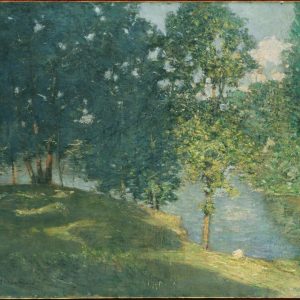
Julian Alden Weir: The “Heart” of American Impressionism
From Windham to Branchville, peaceful Connecticut locales provided Julian Alden Weir the inspiration to create hundreds of paintings and become one of America’s leading Impressionists.
Read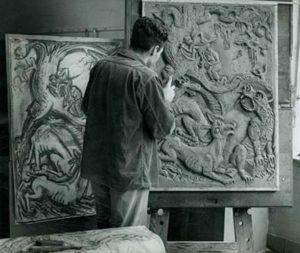
Breaking the Mold: Tradition and Innovation in the Work of Elbert Weinberg
Elbert Weinberg was a Hartford-born sculptor who earned international fame for his works, many of which were influenced by his Jewish faith.
Read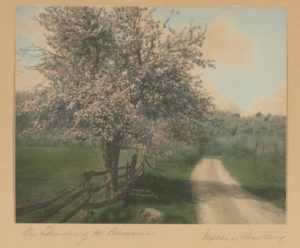
Past Perfect: Wallace Nutting Invents an Ideal Olde New England
In the early 1900s consumers bought photographs, furniture, and books from a former minister who sold the fantasy of simpler times as an antidote to modern life.
Read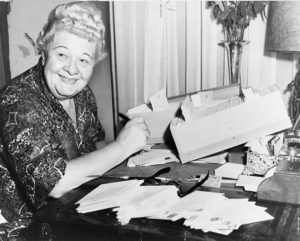
Sophie Tucker, The Last of the Red-Hot Mamas
Hartford’s own leading lady was a lively entertainer whose career spanned over five decades and whose generosity spilled over to various and numerous charities.
Read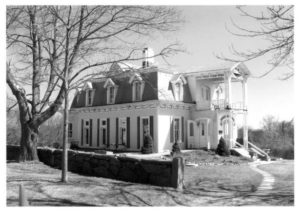
“Gentleman’s Farming” Comes to Waterford
Walnut Grove received a listing on the National Register of Historic Places for its contribution to furthering the understanding of nearly 200 years of history.
Read
Hervey Brooks’s 19th-Century Pottery Barn
Hervey Brooks was an American potter and farmer who made red earthenware domestic products in Goshen for more than half a century.
Read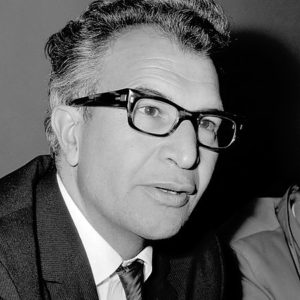
“Take Five” with Dave Brubeck
Dave Brubeck was one of the leading jazz pianists and composers of the 1950s and 60s and made his home in Wilton.
Read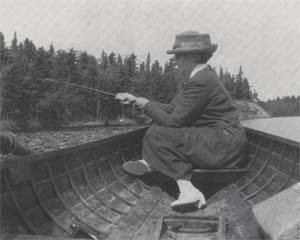
Edith Watson: Camera Artist
Over the five decades Edith Watson traveled around North America, her keen eye and box camera lens captured the otherwise untold stories of women.
Read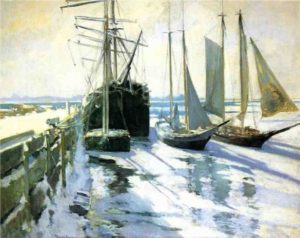
Connecticut and American Impressionism
American Impressionists looked to a New England countryside like that in Connecticut for evidence of a stable, timeless order beneath the dazzle of the ephemeral.
Read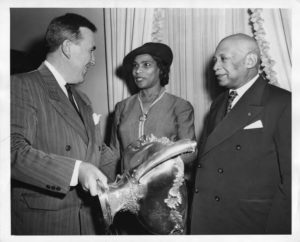
Marian Anderson’s Role in the Civil Rights Movement
Marian Anderson performed and traveled in segregated spaces and emerged as one of the great singers of the 20th century.
Read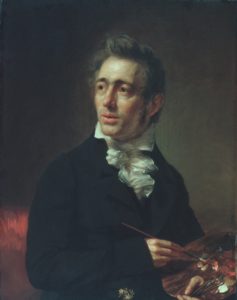
Samuel Waldo Born – Today in History: April 6
Samuel Lovett Waldo was an early 19th-century portrait artist who worked among such famous colleagues as John Trumbull, Benjamin West, and John Singleton Copley.
Read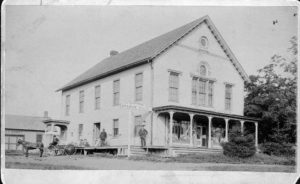
The Lebanon Grange Followed a Different Tune than National Movement
Music played a central role in fraternal rituals and sense of community.
Read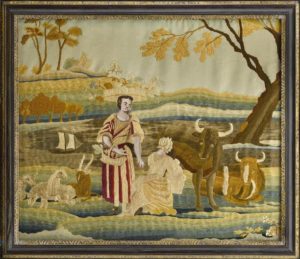
Faith Trumbull: The Artist Was a Young Girl
Her younger brother may be the better-known artist today, but it was her accomplished needlework pictures that inspired his youthful imagination.
Read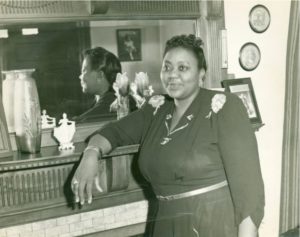
Marietta Canty House
Hartford’s Marietta Canty House is primarily significant for its association with actress Marietta Canty, who received critical acclaim for her performances in theater, radio, motion pictures, and television as well as for her political and social activities.
Read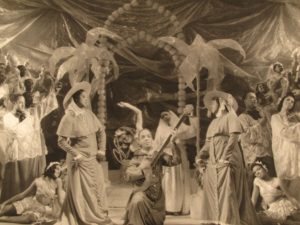
Four Saints in Three Acts Debuts – Today in History: February 7
On February 7, 1934, the Wadsworth Atheneum debuted the modernist opera Four Saints in Three Acts in its new Avery Memorial Theater.
Read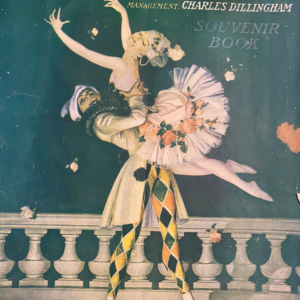
Hartford’s Charles Dillingham Discovered Broadway Stars
After growing up in Hartford, Charles Dillingham explored numerous career paths including newspaper publishing, politics, and—most famously—theatrical managing and producing.
Read
Jim Flora Captures 20th-Century Pop Culture
From jazz album covers to magazines and children’s books, Rowayton artist Jim Flora created works that helped document life in 20th-century America.
Read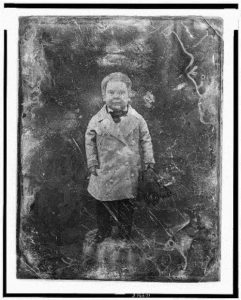
“Tom Thumb” Born – Today in History: January 4
Charles Stratton, born in Bridgeport on January 4, 1838, toured the world with P. T. Barnum under the name, General Tom Thumb.
Read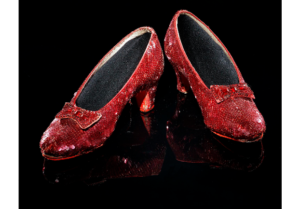
There’s No Place Like Home for the Designer of Dorothy’s Ruby Slippers – Who Knew?
Connecticut-born Adrian, the American clothing designer who found success in Hollywood, designed Dorothy’s ruby slippers for The Wizard of Oz.
Read
Chief G’tinemong/Ralph W. Sturges
This Mohegan Chief is remembered for successfully guiding the Tribe through the final stages of Federal Recognition, which it obtained in 1994.
Read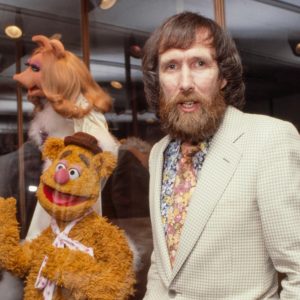
Jim Henson, the Muppets, and Greenwich
Between 1964 and 1971, the famous puppeteer and creator of Sesame Street, Jim Henson, lived in Greenwich and created many of his most recognizable characters.
Read
Chick Austin Modernizes a Connecticut Institution
Arthur Everett “Chick” Austin Jr., director of the Wadsworth Atheneum from 1927 to 1944, put Hartford on the cultural map.
Read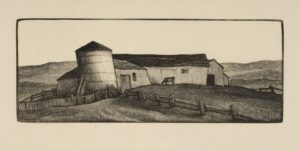
Thomas W. Nason, the Poet Engraver of New England
An artist best known for his wood engravings that accompany Robert Frost poems, Nason blended classic and modern styles to capture a vanishing rural landscape.
Read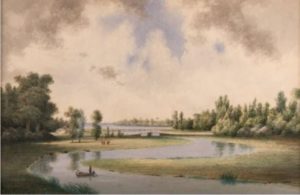
Drawing (on) the Connecticut Landscape: Benjamin Hutchins Coe Teaches Americans the Democratic Art
Benjamin Hutchins Coe helped teach Americans how to draw through the publication of numerous art manuals, many focused on Connecticut-inspired landscapes.
Read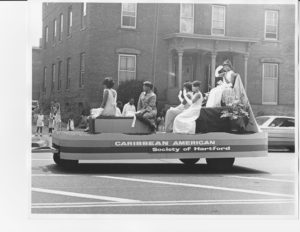
West Indians in Hartford
A significant wave of immigration to the United States from the West Indies began in the 1940s, spurred by labor shortages during World War II.
Read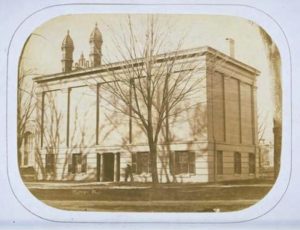
Yale University Art Gallery – Today in History: October 25
Also known as the Picture Gallery, the Trumbull Gallery holds the distinction of being the first art museum at an educational institution in the United States.
Read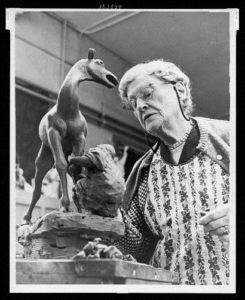
A Celebrated Artist and a Meaningful Space – Today in History: October 20
The Danbury Museum & Historical Society’s Huntington Hall honors the memory of a famed US sculptor, Anna Hyatt Huntington.
Read
A Revolutionary Book Designer: Bruce Rogers of New Fairfield
Bruce Rogers was a book designer who settled in New Fairfield. Considered one of the great typographers of his time, his masterpiece was the 1936 Oxford Lectern Bible.
Read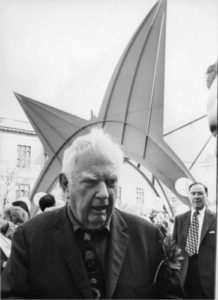
Calder’s Stegosaurus Dedicated – Today in History: October 10
On October 10, 1973, Alexander Calder’s sculpture, Stegosaurus, was dedicated in Hartford.
Read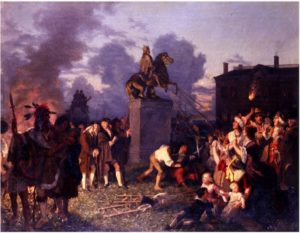
Mariann Wolcott and Ralph Earl – Opposites Come Together and Make History
The story of Mariann Wolcott and Ralph Earl captures much of the complexity the Revolutionary War brought to the lives and interactions of ordinary citizens.
Read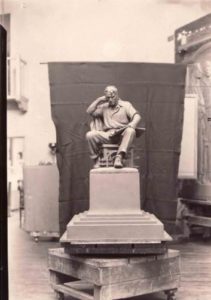
Evelyn Beatrice Longman Commemorates the Working Class
“Industry,” also known as “The Craftsman,” by Evelyn Longman, resides in Hartford and is a celebration of the working class and their contribution to society.
Read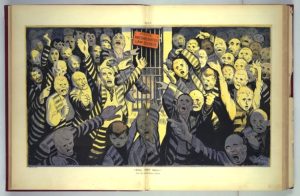
Art Young, Radical Cartoonist
One of the more controversial cartoonists of the early 20th century, Art Young lived much of his life in Bethel. Residents later founded the Art Young Gallery in his memory.
Read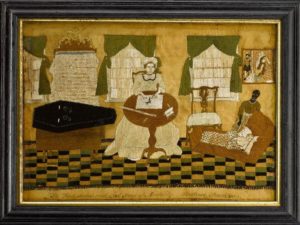
Prudence Punderson, Ordinary Woman, Extraordinary Artist: Needlework in Connecticut
Completed in the 1700s, “The First, Second and Last Scene of Mortality” is considered to be one of the most spectacular pieces of needlework in US history.
Read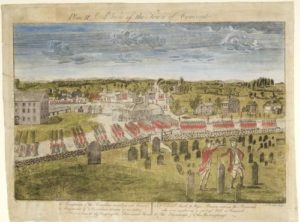
Ralph Earl: Portrait of an Early American Artist
In addition to some of the earliest Revolutionary War battle scenes, Ralph Earl painted prominent figures of the colonial period.
Read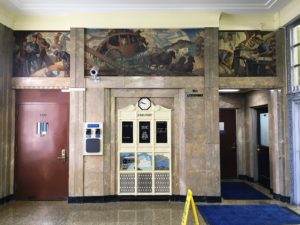
Hope on the Wall: Connecticut’s New Deal Post Office Murals
Between 1934 and 1943, the federal government placed murals in twenty-three Connecticut post offices.
Read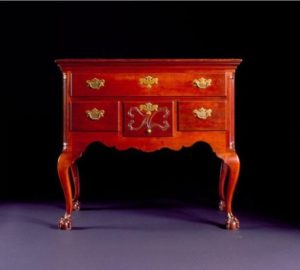
Connecticut Valley Style: Eliphalet Chapin Inspires a Tradition of Craft
Favoring local cherry and pine woods, this furniture maker introduced Philadelphia-style flair to New England consumers.
Read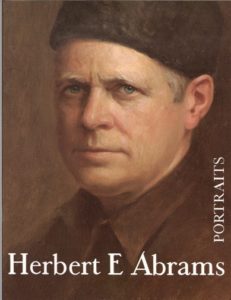
Herbert Abrams Immortalizes the Nation’s Leaders
Herbert Abrams was an American painter whose portraits hang in some of the most prestigious institutions in the country.
Read A World in Motion: Artist and Sculptor Alexander Calder
Most renowned for his invention of the mobile, an abstract sculpture that moves, Calder is considered a pioneer of kinetic art.
Read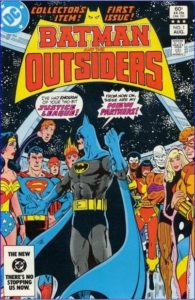
Drawn to Superheroes
Working as an illustrator at DC Comics for over 30 years, Aparo drew for such legendary series as Aquaman, The Brave and the Bold, Green Arrow, and The Spectre.
Read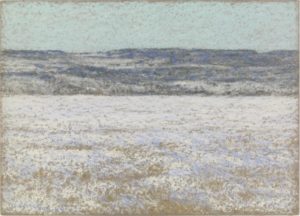
An Artist’s Life in Hartford: The Early Career of Dwight Tryon
Hartford native Dwight Tryon enjoyed a long, successful career as a landscape painter and teacher with studios in New York City and Massachusetts.
Read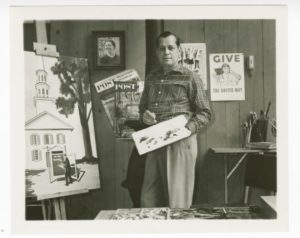
Stevan Dohanos Captures Connecticut Life
Westport resident Stevan Dohanos was one of America’s top realist illustrators, producing more than 125 popular magazine covers, and over 300 designs for commemorative postage stamps.
Read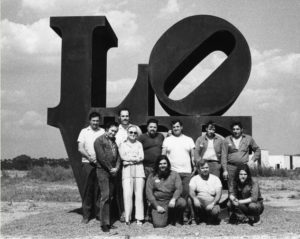
North Haven: Fabricating Sculpture in the 1960s and 1970s
Lippincott, Inc., in North Haven, was one of the most highly respected fine-arts metal fabricators in the country in the second half of the 20th century.
Read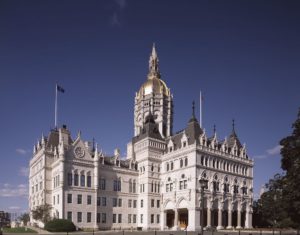
The State Cantata – Today in History: June 3
On June 3, 2003, the Connecticut General Assembly designated The Nutmeg, Homeland of Liberty by Dr. Stanley L. Ralph as the State Cantata.
Read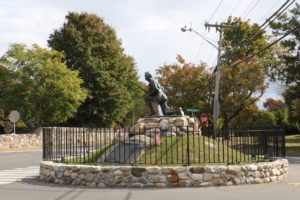
The Minute Man, Westport CT
On the morning of June 17, 1910, over a thousand Connecticut residents descended upon Westport for a patriotic, event-filled unveiling of The Minute Man monument.
Read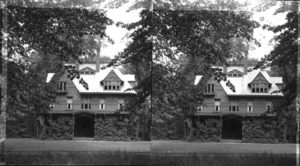
Charles Dudley Warner: 19th Century Writer and Social Commentator
Author Charles Dudley Warner penned significant volumes of work, leaving an impact through his enduring social commentary in the second half of the 19th century.
Read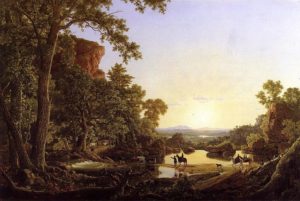
Artist Frederic Church Born – Today in History: May 4
On May 4, 1826, the great American landscape painter Frederic Edwin Church was born to a wealthy Hartford family.
Read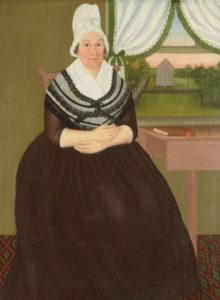
A Connecticut Painter Finds His Voice through Colonial Folk Art
John Brewster Jr. was one of the preeminent portrait artists of the late 18th and early 19th centuries.
Read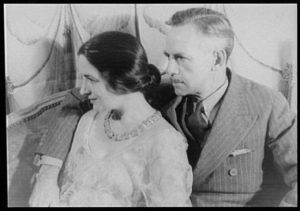
Eugene O’Neill’s Connecticut Connections
Playwright Eugene O’Neill drew inspiration for much of his work from his childhood hometown of New London.
Read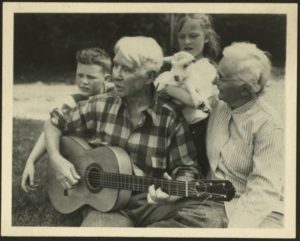
Carl Sandburg, Poet from the Grassroots, Reaches Connecticut Audiences
Popular poet, singer, and activist Carl Sandburg had numerous connections to Connecticut and promoted social reform in the early 20th century.
Read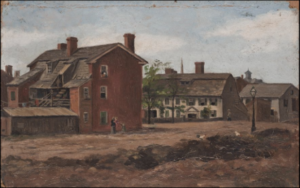
An Artist and Her Books: Amelia Watson, 1856–1934
Connecticut artist Amelia Watson’s works adorn some of the most elaborately designed and treasured volumes of the 19th and 20th century.
Read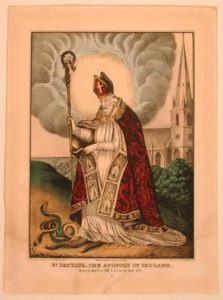
The Wearing of the Green: 19th-century Prints of Irish Subjects by Hartford’s Kellogg Brothers
Irish immigrants arrived in Connecticut in great numbers during the 1800s and, while anti-Irish sentiment was widespread, Hartford’s Kellogg brothers viewed these new Americans as potential customers.
Read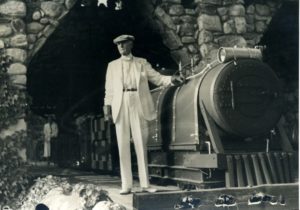
Holmes at Home: The Life of William Gillette
William Gillette was an American actor, playwright, and stage director most famous for his stage portrayal of Sherlock Holmes and for the stone castle he built in East Haddam.
Read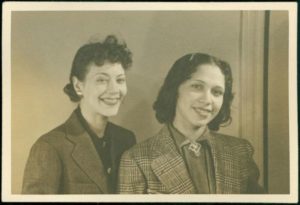
Remembering Fredi Washington: Actress, Activist, and Journalist
This actress earned acclaim for her portrayal of an African American woman who chooses to pass as white in order to escape racial discrimination but, in real life, she embraced her heritage and worked to end inequality.
Read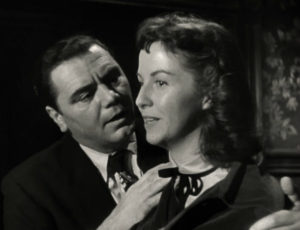
Ernest Borgnine: Breaking the Hollywood Mold
Ernest Borgnine, a native of Hamden who served ten years in navy, became one of the world’s most recognized and revered actors.
Read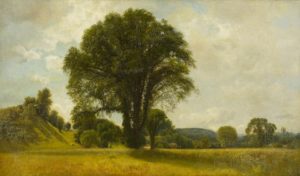
Connecticut Transforms Aaron Draper Shattuck
Drawn to the landscapes of the Farmington River Valley, artist Aaron Draper Shattuck reinvented himself as a gentleman farmer and inventor.
Read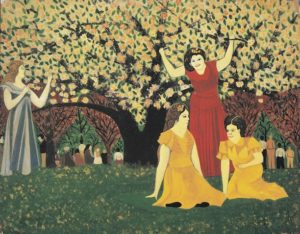
Ellis Ruley: Art that Celebrated Life
Ellis Ruley, the son of a slave who escaped to Norwich, rose to prominence as an artist, but prosperity and racial tensions created resentment among members of the local population.
Read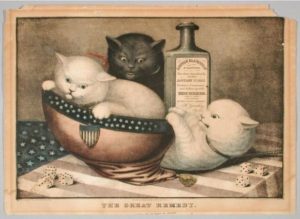
The Great Remedy: Picturing the Emancipation Proclamation
On January 1, 1863, the Emancipation Proclamation went into effect, declaring more than three million African Americans in those states in rebellion against the United States to be forever free.
Read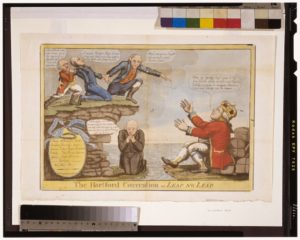
The Hartford Convention or Leap no Leap
A political cartoon lampoons radical members of New England’s Federalist party by poking fun at their motivations for gathering in Hartford to end the War of 1812.
Read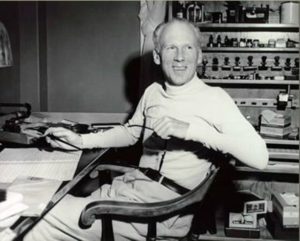
Leroy Anderson Composed Iconic Music in Woodbury
Leroy Anderson, a long-time resident of Woodbury, was one of the most popular composers of light concert music in the 20th century.
Read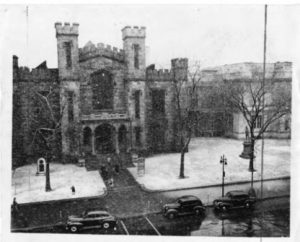
The Atheneum Joins War Effort – Who Knew?
The Wadsworth Atheneum contributed to home front morale and fundraisers during World War II.
Read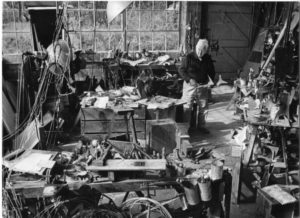
Calder in Connecticut: World-Famous Artist Called Roxbury Home
His mobiles, stabiles, and constellations are featured in museum collections around the world.
Read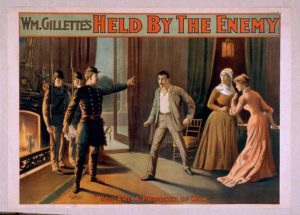
American Actor Changes 19th-Century Theater – Who Knew?
Hartford-born William Gillette, known best for his portrayal of Sherlock Holmes in film and theater, was also a successful playwright.
Read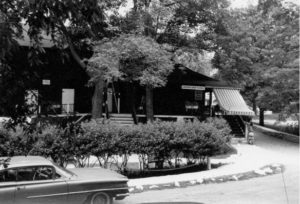
Broadway Comes to Westport
The Westport Country Playhouse is meant to provide artists, students, and entertainers with a place to create and produce live theater experiences away from traditional big city theater districts.
Read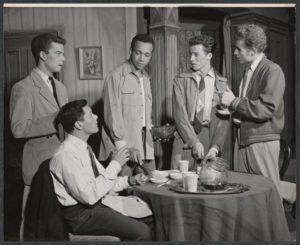
Hartford’s Louis Peterson, Groundbreaking African American Playwright
Hartford’s Louis Peterson was a groundbreaking African American playwright in the 20th century.
Read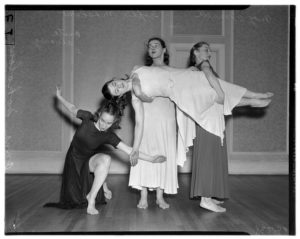
Hartford’s Anna Sokolow, Modern Dance Pioneer
Hartford’s Anna Sokolow became one of the most important figures in modern dance during the 20th century.
Read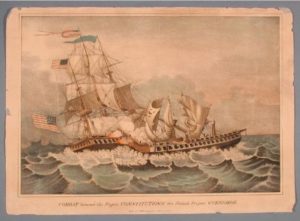
A Patriotic Legacy in Print
Two hundred years ago, on September 10, 1813, the US captured six vessels from the British Royal Navy, the most powerful maritime force in the world.
Read
Painter, Muralist, Sculptor Sol LeWitt born – Today in History: September 9
Sol LeWitt, whose work includes drawings and sculptures, is identified with the late 20th century Minimalist and Conceptual art movements.
Read
Roger Tory Peterson Dies – Today in History: July 28
On July 28, 1996, ornithologist and artist Roger Tory Peterson died in Old Lyme.
Read
Weir Farm the Result of a Trade – Who Knew?
Weir Farm, located in Ridgefield and Wilton, Connecticut, resulted from the trade of a painting and ten dollars.
Read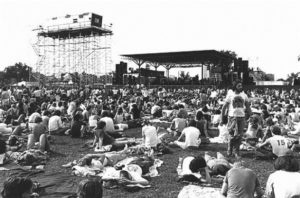
Colt Park and the Magical Summer of 1976
In the summer of 1976, Colt Park offered rock and roll fans an escape from troubled times through a series of concerts by some legendary acts.
Read
The Origins and Enduring Legacy of New Haven’s Long Wharf Theatre
As a smaller, quieter alternative to Broadway, New Haven’s Long Wharf Theatre overcame an unconventional location to become a smash success.
Read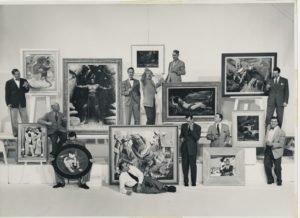
Instruction by Mail: The Famous Artists School
The Famous Artists School in Westport once provided the premier correspondence training for those interested in an art career.
Read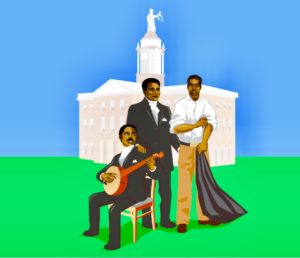
Early Civil Rights and Cultural Pioneers: The Easton Family
For a variety of reasons, the Eastons were one of New England’s most notable 19th-century African American families.
Read
The Hartford Insurance Investigator With the Action-Packed Expense Account
Based in Hartford, “Yours Truly, Johnny Dollar” was one of America’s most popular radio shows during the 15 years it aired.
Read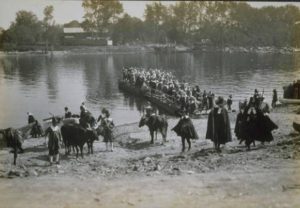
Colonial Revival Movement Sought Stability during Time of Change
The Colonial Revival was national in its scope, but as a state rich in historic resources, Connecticut became inextricably linked with the movement.
Read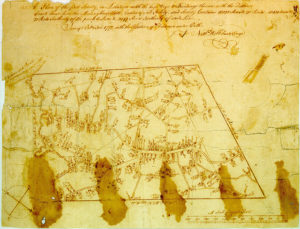
Exploring Early Connecticut Mapmaking
Renderings of the terrain served a variety of purposes, from supporting colonists’ land claims as well as tribal counterclaims to settling religious disputes and even adorning the homes of the well-off.
Read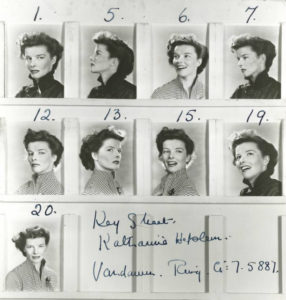
Katharine Hepburn’s Love Affair (with Connecticut)
One of the most popular actresses of the 20th century, Katharine Hepburn was born in Hartford and lived much of her later life in Old Saybrook.
Read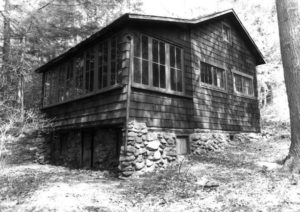
A Russian Village Retreat in Southbury
The unique blend of American and Russian architecture found in Churaevka, along with the important part the village played in defining early 20th-century Russian immigration, earned it a spot on the National Register of Historic Places in 1988.
Read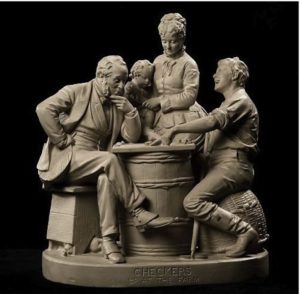
John Rogers was a 19th-Century Sculptor for the Common Man
John Rogers was an American sculptor whose style and production methods made his art popular with middle-class art collectors in the 19th century.
Read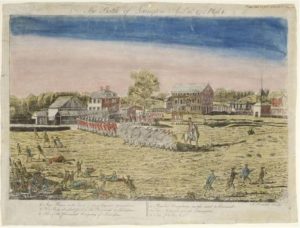
News From Lexington: Contemporary Views of the Opening Battles of the American Revolution
A rare set of prints by New Haven printer Amos Doolittle depicts the momentous events of April 19, 1775.
Read
Bridgeport’s Walt Kelly, Creator of Pogo
Bridgeport resident Walt Kelly was the creator of Pogo, a wildly popular comic strip during the middle of the 20th century.
Read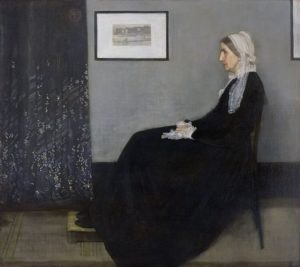
James Abbott McNeill Whistler: A Young Artist in Pomfret
As one of the most well-known American realist painters of the late 19th century, James Abbott McNeill Whistler has intrigued art history enthusiasts for over a century.
Read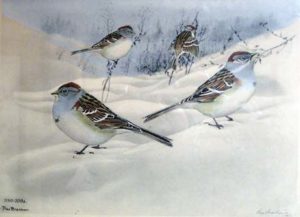
Rex Brasher Dies – Today in History: February 29
On February 29, 1960, noted wildlife illustrator Rex Brasher died.
Read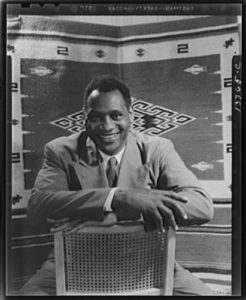
“Negroes Who Stand Up and Fight Back” – Paul Robeson in Hartford
Called the “greatest mobilization of police in the city’s history,” the event that brought law enforcement out in force to Keney Park was not a riot, not a strike, but a concert by this singer-actor and activist.
Read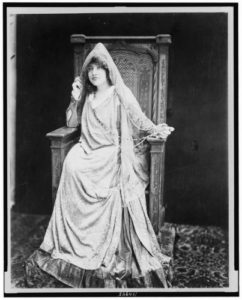
Sarah Bernhardt Performs in Hartford – Today in History: June 8
On June 8, 1906, French stage and film actress Sarah Bernhardt appeared at Foot Guard Hall in Hartford.
Read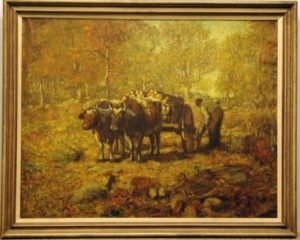
Artist Louis Paul Dessar Dies – Today in History: February 14
On February 14, 1952, American artist Louis Paul Dessar died in Preston, Connecticut.
Read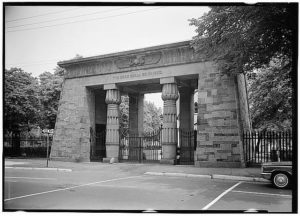
An Overview of Connecticut’s Outdoor Sculpture
Public sculpture has punctuated the state for three centuries, reflecting the values of our communities, their times, and their funders.
Read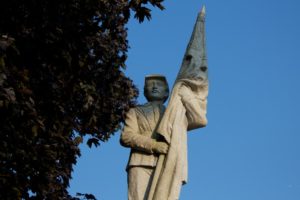
A Special Place to Honor Military Veterans in Plainville
On the corner of Maple and Whiting Streets in Plainville, Connecticut, is a special place where the town honors its war veterans.
Read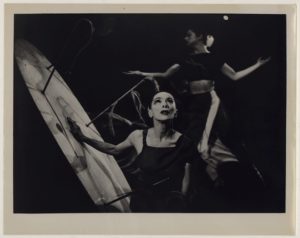
Martha Graham, Connecticut College, and the American Dance Festival
Martha Hill established the School of the Dance on the campus of the Connecticut College for Women in 1948, and hired such renowned instructors as Martha Graham.
Read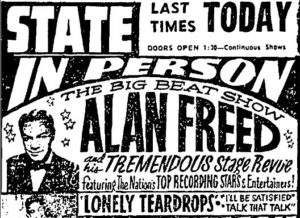
Rock and Roll vs. Racism
The State Theater in Hartford brought residents of all different backgrounds together in the 1950s and ’60s through the spirit of rock ‘n’ roll.
Read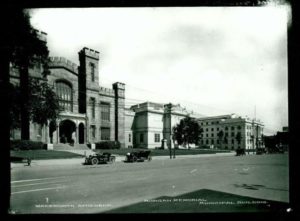
The Wadsworth Atheneum Museum of Art
Founded in 1842, this ever-evolving institution is the oldest, continuously operating public art museum in the United States.
Read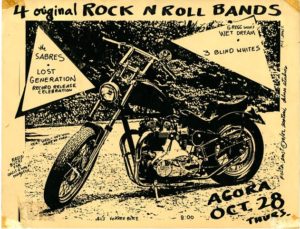
Hardcore Connecticut: Documenting the State’s Punk Rock Scene
Hardcore punk rockers occupied venue spaces, spectators became performers, pools became skate parks, and Xerox machines became the printing press in this underground renaissance.
Read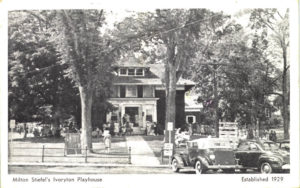
Ivoryton Playhouse Opens – Today in History: June 17
On June 17, 1930, the Ivoryton Playhouse opened with a production of the play Broken Dishes, which had just closed in New York.
Read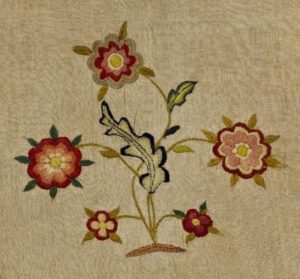
The Decorative Arts of Connecticut
Decorative Arts—or, household furnishings— reveal past lifestyles and showcase the state’s best-known craftspeople.
Read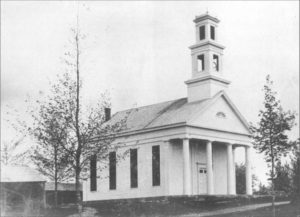
Pan-Harmonicum Strikes a New Note for Puritan Worship in Lebanon
Musical instruments, once scorned as ungodly, found a place in Congregational services at the turn of the 19th century.
Read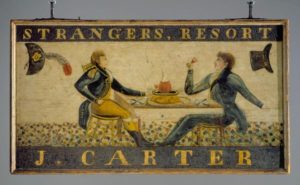
Tavern Signs Mark Changes in Travel, Innkeeping, and Artistic Practice
In colonial times, tavern signs beckoned weary travelers to places of rest and entertainment, but by the early 1900s collectors prized them as folk art and relics of a bygone era.
Read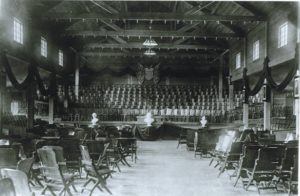
Norfolk—Alive With The Sound of Summer Music
Norfolk began hosting the Yale Summer School of Music and Norfolk Chamber Music Festival back in 1941.
Read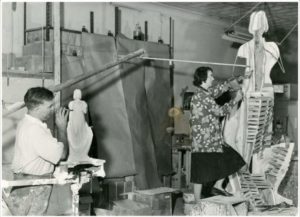
Frances Laughlin Wadsworth: Sculpting the Past
Her statues honor the famous, from Thomas Hooker and Helen Keller to Alice Cogswell, the first pupil of what became The American School for the Deaf.
Read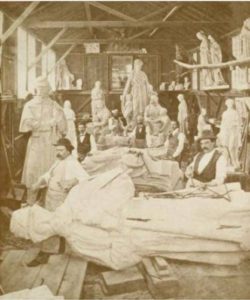
James G. Batterson, Stone Contractor
James G. Batterson was an artist, inventor, and businessman. He helped commemorate the Civil War through his proficiency with stone.
Read
The Answer Is Risom!
How the Scandinavian design movement re-fashioned local industry in the mill town of Thompson during the 1960s and ’70s.
Read
Artist Roger Tory Peterson, a Champion for the Natural World
Artist, author, and influential conservationist Roger Tory Peterson pioneered the modern age of bird watching with his 1934 book, A Field Guide to the Birds.
Read
Preserving an All-American Downtown in Torrington
Torrington’s unique and historically significant buildings are the foundation on which local businesses and civic leaders built a revitalized economy.
Read
The Art of Life and Death in Colonial Bolton
Bartlett was the first gravestone carver in the upper Connecticut River Valley, and his headstones tell historians much about early life in the northeastern colonies.
Read
American Painter John Trumbull Born – Today in History: June 6
On June 6, 1756, John Trumbull, painter, architect, and author, was born in Lebanon.
ReadMore Articles